
Beginner Workout Plan: Gym vs Home.
Starting your muscle-building journey can feel overwhelming. Many beginners wonder whether to train at a gym with equipment or at home with minimal gear. The truth is, both gym and home workouts can help you build strength and muscle if done correctly. In this guide, we’ll break down a Beginner home and gym workout plan so you can start immediately.
1. Benefits of Gym Workouts
- Access to a variety of equipment: dumbbells, barbells, machines
- Progressive overload is easier with weights
- Gym environment motivates some people
- Social interaction and professional trainers
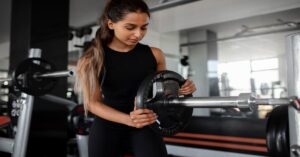
Gym workouts give beginners access to a variety of machines and free weights. This makes it easier to apply progressive overload, which is key for building muscle. Additionally, the gym environment can help motivate you to stay consistent, and trainers can correct your form to prevent injuries.
2. Benefits of Home Workouts
- Convenience: no travel time, flexible schedule
- Minimal equipment required (dumbbells, resistance bands, bodyweight)
- Affordable
- Great for beginners focusing on form
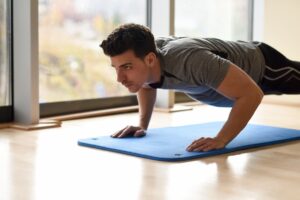
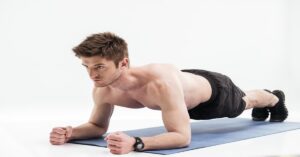
Home workouts are perfect for beginners who want to start immediately without spending on a gym membership. Using bodyweight exercises like push-ups, squats, and planks, or small equipment like dumbbells or resistance bands, you can still achieve noticeable results, the key is consistency and proper technique, know more about beginner focused fitness tips.
3. Beginner home and gym workout plan
3-day beginner plan example:
Gym Version
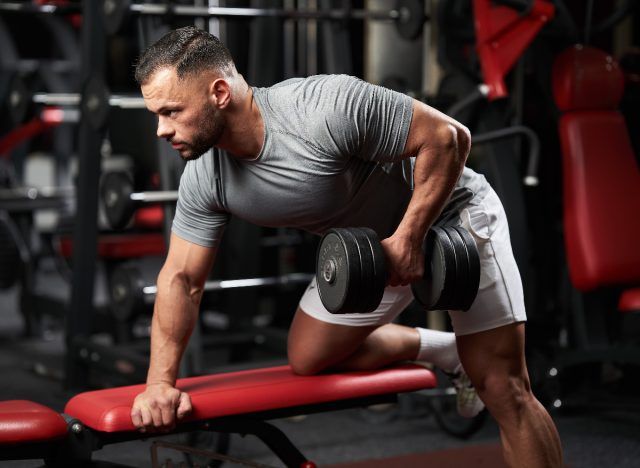
Day 1 – Full Body
- Squats – 3×10
- Bench Press – 3×10
- Lat Pulldown – 3×12
- Dumbbell Shoulder Press – 3×12
- Plank – 3×30 sec
Day 2 – Rest or Light Cardio
Day 3 – Full Body
- Deadlift – 3×8
- Incline Dumbbell Press – 3×10
- Seated Row – 3×12
- Bicep Curl – 3×12
- Leg Raises – 3×12
Day 4 – Rest or Light Cardio
Day 5 – Full Body
- Leg Press – 3×12
- Chest Fly Machine – 3×12
- Pull-Ups / Assisted Pull-Ups – 3×8
- Tricep Pushdown – 3×12
- Side Plank – 3×30 sec
Home Version:
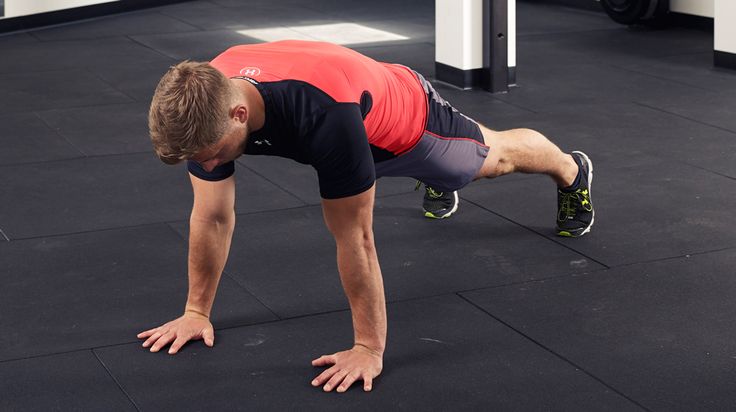
Day 1 – Full Body
- Bodyweight Squats – 3×15
- Push-Ups – 3×12
- Bent-Over Dumbbell Rows – 3×12
- Dumbbell Shoulder Press – 3×12
- Plank – 3×30 sec
Day 2 – Rest / Optional Cardio
Day 3 – Full Body
- Bulgarian Split Squats – 3×12
- Incline Push-Ups – 3×12
- Resistance Band Rows – 3×12
- Dumbbell Bicep Curl – 3×12
- Leg Raises – 3×12
Day 4 – Rest / Optional Cardio
Day 5 – Full Body
- Goblet Squats – 3×12
- Chest Press with Dumbbells – 3×12
- Assisted Pull-Ups / Band Pull-Down – 3×10
- Dumbbell Tricep Kickback – 3×12
- Side Plank – 3×30 sec
4. Tips for Success
- Start light: focus on form before heavy weights
- Consistency matters: 3–5 workouts/week
- Track progress: reps, sets, weights
- Nutrition: ensure calorie surplus and adequate protein (~1.6–2 g/kg bodyweight)
- Rest: 48 hours between same muscle group
For beginners, proper form is more important than lifting heavy. Consistency is key – even small workouts done regularly lead to results. Track your progress in a notebook or app, eat enough protein and calories, and make sure to rest between sessions.
5. Which One Should You Choose?
- Gym if: You want variety, heavier weights, motivation from others
- Home if: You prefer convenience, low cost, flexible schedule
- Both work as long as you train consistently, progressively overload, and eat well
Ultimately, the choice between gym vs home comes down to your goals, schedule, and personal preference. Both can help beginners gain muscle and strength. The key is sticking to your plan, progressively challenging yourself, and maintaining proper nutrition.
6. Common Myths vs Truths About Beginner Workouts
| Myth | Truth | Why it matters / Tips |
|---|---|---|
| You can only build muscle in a gym | You can build muscle at home using bodyweight, dumbbells, or resistance bands | Beginners can get strong without expensive gym memberships; consistency matters more than equipment |
| Beginners should train each muscle only once per week | Each major muscle should be trained 2× per week for optimal growth | Training frequency is more important than fancy exercises at the start |
| Cardio will stop muscle gain | Moderate cardio does not hinder muscle growth; it supports recovery and fat loss | Cardio can actually improve endurance and help beginners maintain energy for workouts |
| You need heavy weights from day 1 | Beginners should focus on form and gradually increase weights | Lifting too heavy too early increases injury risk; progressive overload works best |
| You must do isolation exercises (bicep curls, tricep extensions) | Compound exercises (squats, push-ups, rows) build more strength and muscle early on | Compound moves train multiple muscles, improve coordination, and burn more calories |
| Muscle soreness = effective workout | Soreness is not required for growth; progressive overload and consistency are | Beginners often overemphasize soreness; focus on gradual improvement instead |
| You need expensive supplements | Protein from diet + balanced nutrition is enough for beginners | Supplements can help later, but food is sufficient to start muscle gain |
| Home workouts are ineffective | Properly structured home workouts can produce similar results to gyms for beginners | Beginners can achieve noticeable gains with minimal equipment if they stay consistent |
| Women will get bulky from strength training | Women don’t naturally produce enough testosterone to bulk like men | Strength training improves tone, strength, and metabolism without “bulking” |
Conclusion:
Starting your muscle-building journey doesn’t have to be complicated. Whether you choose the gym or home, a well-structured beginner plan will get you results. Focus on consistency, proper form, and nutrition, and you’ll see progress in just a few months. Remember: the best workout is the one you actually do regularly.