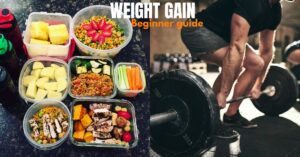

Building muscle is one of the most effective ways to improve your physical strength, health, and overall appearance. Many people start their fitness journey with the goal of gaining muscle quickly, but they often feel confused by the huge amount of information available online. The truth is that muscle growth is not about shortcuts—it’s about following the right training, nutrition, and recovery strategies consistently.
In this complete guide, you will learn how to build muscle fast using science-backed methods, the importance of muscle building for overall health, and the most effective practices to maximize muscle growth.
Why Muscle Building Is Important

Muscle building is not only about looking strong or aesthetic. It plays a crucial role in improving your overall health and quality of life.
1. Improves Strength and Physical Performance
Building muscle increases your physical strength. Stronger muscles allow you to lift heavier objects, perform daily tasks easily, and improve athletic performance.
2. Boosts Metabolism
Muscle tissue burns more calories than fat, even while resting. The more muscle mass you have, the higher your metabolism becomes, which helps in maintaining a healthy body composition.
3. Supports Joint Health
Stronger muscles provide better support for your joints and bones, reducing the risk of injuries during workouts or daily activities.
4. Improves Body Composition
Muscle building helps reduce body fat while increasing lean mass, leading to a more toned and athletic physique.
5. Enhances Overall Health
Regular strength training can improve insulin sensitivity, heart health, and bone density. According to the World Health Organization, strength training is an important part of maintaining long-term health and physical function.
How Muscle Growth Actually Works
To understand how to build muscle fast, you need to understand how muscle growth works.
Muscle growth happens through a process called muscle hypertrophy. When you lift weights or perform resistance training, small microscopic tears occur in your muscle fibers. During recovery, your body repairs these fibers and makes them stronger and thicker.
This process depends on three main factors:
- Progressive overload (gradually increasing workout intensity)
- Proper nutrition (especially protein intake)
- Adequate recovery and sleep
When these three factors are optimized, muscle growth happens faster and more efficiently.
Proven Strategies to Build Muscle Fast
1. Focus on Progressive Overload
Progressive overload means gradually increasing the stress placed on your muscles during workouts.
You can apply progressive overload by:
- Increasing the weight you lift
- Increasing the number of repetitions
- Increasing training volume
- Improving workout intensity
Without progressive overload, muscles stop adapting and growth slows down.
2. Train Each Muscle Group Twice Per Week
Research shows that training each muscle group two times per week leads to better muscle growth compared to training it once.
Example training split:
- Day 1 – Chest & Triceps
- Day 2 – Back & Biceps
- Day 3 – Legs
- Day 4 – Rest
- Day 5 – Shoulders & Abs
- Day 6 – Full body
- Day 7 – Rest
This approach provides enough stimulus for growth while allowing proper recovery.
3. Prioritize Compound Exercises
Compound exercises work multiple muscle groups at the same time and are extremely effective for building muscle fast.
Examples include:
- Squats
- Deadlifts
- Bench press
- Pull-ups
- Overhead press
- Barbell rows
These exercises stimulate more muscle fibers and release growth-promoting hormones that support faster muscle development.
4. Eat a High-Protein Diet
Protein is the most important nutrient for muscle growth because it provides the building blocks needed to repair and grow muscle fibers.
Good protein sources include:
- Eggs
- Chicken breast
- Fish
- Greek yogurt
- Soya chunks
- Cottage cheese
- Lentils and beans
Protein is essential for muscle growth because it helps repair and build muscle fibers after workouts .Many experts, including guidelines from the American College of Sports Medicine, recommend consuming enough protein daily to support muscle recovery and growth.
5. Maintain a Calorie Surplus
To build muscle fast, your body needs extra energy. This means you should consume slightly more calories than you burn.
A small calorie surplus helps your body:
- recover faster
- build new muscle tissue
- maintain workout intensity
However, avoid excessive calorie intake because it may lead to unnecessary fat gain.
6. Get Enough Sleep and Recovery
Many people underestimate the importance of recovery in muscle growth.
Muscles do not grow during workouts—they grow during rest and recovery.
Aim for:
- 7–9 hours of quality sleep per night
- rest days between intense workouts
- proper hydration
Poor recovery can slow down muscle growth and increase the risk of injuries.
Best Foods to Build Muscle Fast
Your diet plays a major role in how quickly you can build muscle. Here are some of the best foods that support muscle growth.
1. Eggs
Eggs are rich in high-quality protein and essential amino acids that support muscle repair.
2. Chicken Breast
Chicken breast is a lean protein source that helps build and maintain muscle mass.
3. Salmon
Salmon provides protein along with omega-3 fatty acids that support muscle recovery and overall health.
4. Greek Yogurt
Greek yogurt contains both fast-digesting and slow-digesting proteins, making it excellent for muscle recovery.
5. Oats
Oats are a great source of complex carbohydrates that provide energy for intense workouts.
6. Nuts and Seeds
Healthy fats and protein from nuts support hormone production and muscle growth.
Sample Weekly Workout Plan for Muscle Growth
Here is a simple beginner workout plan to build muscle effectively.
Day 1 – Chest and Triceps
- Bench press
- Incline dumbbell press
- Chest fly
- Triceps dips
- Triceps pushdowns
Day 2 – Back and Biceps
- Pull-ups
- Barbell rows
- Lat pulldowns
- Barbell curls
- Hammer curls
Day 3 – Legs
- Squats
- Leg press
- Lunges
- Leg curls
- Calf raises
Day 4 – Rest
Day 5 – Shoulders and Abs
- Overhead press
- Lateral raises
- Rear delt fly
- Planks
- Hanging leg raises
Common Mistakes That Slow Muscle Growth
Many beginners struggle to build muscle quickly because of these common mistakes.
1. Not Eating Enough
Without enough calories and protein, the body cannot build new muscle tissue.
2. Skipping Progressive Overload
Lifting the same weights for months prevents muscles from adapting.
3. Poor Recovery
Overtraining without rest can lead to fatigue and slower muscle growth.
4. Inconsistent Training
Muscle growth requires consistency over weeks and months.
5. Ignoring Proper Form
Using incorrect form can reduce muscle activation and increase injury risk.
How Long Does It Take to Build Muscle?
Muscle growth is a gradual process. Beginners often see noticeable changes within 8 to 12 weeks of consistent training and proper nutrition.
However, the speed of muscle growth depends on several factors such as:
- training intensity
- nutrition
- genetics
- sleep quality
- consistency
With the right approach, proper guidance and consistency, beginners can gain 0.5–1 kg of muscle per month during the early stages of training.
Expert Tips to Build Muscle Faster
Here are some practical tips to accelerate muscle growth.
1. Track your workouts
Keep a record of weights, sets, and repetitions to ensure progressive overload.
2. Stay consistent
Consistency is more important than extreme workouts.
3. Focus on technique
Proper exercise form activates the right muscles and prevents injuries.
4. Stay hydrated
Water supports muscle recovery and workout performance.
Conclusion
Building muscle fast requires the right combination of training, nutrition, and recovery. By focusing on progressive overload, eating a high-protein diet, maintaining a calorie surplus, and allowing proper recovery, you can significantly improve your muscle growth.
Muscle building is not just about aesthetics—it improves strength, metabolism, and overall health. Stay consistent with your workouts and nutrition plan, and over time you will see noticeable improvements in your strength and physique.
Frequently Asked Questions (FAQ)
How can beginners build muscle fast?
Beginners can build muscle fast by following a structured workout program, consuming enough protein, maintaining a calorie surplus, and getting adequate sleep.
How much protein do I need to build muscle?
Most people aiming to build muscle benefit from consuming around 1.6–2.2 grams of protein per kilogram of body weight per day.
Can you build muscle without lifting weights?
Yes, it is possible to build muscle using bodyweight exercises such as push-ups, pull-ups, squats, and dips, especially for beginners.
How many days per week should I train to build muscle?
Training 3–5 days per week with proper recovery is generally effective for muscle growth.
Is it possible to build muscle and lose fat at the same time?
Yes, beginners and people returning to training can often build muscle and lose fat simultaneously with the right diet and training plan.
Can you gain muscle without gaining much fat?
Yes. By strength training regularly, eating enough protein, and maintaining a small calorie surplus, you can build muscle while minimizing fat gain. If your goal is to increase body weight along with muscle, you can follow a healthy weight gain diet plan.