
1. Why Nutrition Matters for Fitness Beginners
Fitness isn’t just about workouts — what you eat has a huge impact on:
- Energy levels for training
- Muscle growth and recovery
- Fat loss and body composition
- Overall health and wellbeing
Without good nutrition, even the best workout plan won’t give you the results you want, whether you are on a weight loss journey or trying to healthy weight gain . Taking this into consideration we have stated some nutrition tips for beginner’s to get the most of your workout plan.
2. Simple habits and nutrition Tips for Beginner’s
- Eat Balanced Meals – Protein + carbs + fats in every main meal.
- Don’t Skip Meals – Fuel your body regularly to avoid low energy.
- Include Vegetables – Aim for colorful veggies in at least two meals daily.
- Control Portions – Eat until satisfied, not stuffed.
- Plan & Prep Meals – Helps stick to healthy choices without stress.
- Limit Processed Foods – Enjoy treats in moderation, but focus on whole foods.
- Listen to Your Body – Hunger, energy, and performance are better guides than strict calorie counting
Common Nutrition Mistakes Beginners Make.
- Skipping breakfast or meals
- Avoiding carbs entirely
- Over-relying on supplements
- Eating only “clean” foods and stressing about perfection
- Ignoring hydration
Tip: Consistency beats perfection. Small improvements over time lead to lasting results,- consistency is the main factor which beginner’s lack these nutrition tips for beginner’s will mostly work and help your workouts deliver more results when you’re consistently following them.
3. Daily nutrition habits for beginner’s.
1. Start Small (Really Small)
Big changes don’t last. Small ones do.
Beginner tips;
- Add one fruit or vegetable per day
- Drink one extra glass of water
- Cook at home 2–3 times a week
One habit at a time beats perfection.
2. Focus on Balance, Not Restriction
Healthy eating isn’t about cutting everything you love.
Simple rule:
- 80% nutritious foods
- 20% foods you enjoy
This keeps eating realistic and sustainable.
4. Eat Regularly.
Skipping meals often leads to overeating later.
Beginner-friendly routine:
- 3 main meals
- 1–2 healthy snacks if needed
Consistency matters more than timing.
5. Expect Imperfect Days
Bad meals don’t ruin progress.
What matters:
- What you do most of the time
- Getting back on track at the next meal
Progress > perfection.
6. Make It a Lifestyle, Not a Diet
Diets end. Habits stay.
Ask yourself:
- Can I eat like this long-term?
- Do I enjoy these foods?
- Does this fit my life?
If yes—you’re doing it right.
[MAIN PARTS OF A HEALTHY DIET]
1. Fruits & Vegetables
Why they matter: Vitamins, minerals, fiber, and antioxidants.
Beginner tips:
- Aim for ½ your plate to be fruits & veggies.
- Mix colors (green, red, orange = more nutrients).
- Fresh, frozen, or lightly cooked all count.
Examples:
Apples, bananas, berries
Carrots, spinach, broccoli, tomatoes
2. Whole Grains
Why they matter: Long-lasting energy and fiber.
Beginner tips:
- Choose whole grains over refined ones.
- Start with small swaps.
Examples:
Brown rice, oats, whole-wheat bread, quinoa
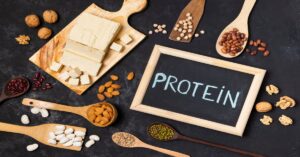
3. Protein
Why it matters: Builds muscle, supports recovery, keeps you full.
Beginner tips:
- Include protein in every meal.
- You don’t need supplements to start.
Examples:
Eggs, chicken, fish
Beans, lentils, tofu, yogurt
4. Healthy Fats
Why they matter: Hormone health, brain function, energy.
Beginner tips:
- Focus on quality, not quantity.
- Avoid trans fats and limit fried foods.
Examples:
Avocado, olive oil, nuts, seeds, fatty fish
5. Water & Hydration
Why it matters: Digestion, energy, workouts, recovery.
Beginner tips:
- Drink water regularly throughout the day.
- Increase intake if you’re active or sweating.
Simple goal:
🚰 6–8 glasses/day (more if exercising)
7. Balanced Meals
A simple beginner plate:
- ½ vegetables & fruits
- ¼ protein
- ¼ whole grains
- Add a small amount of healthy fat
8. Meal Timing & Consistency
Why it matters: Stable energy and hunger control.
Beginner tips:
- Eat at regular times.
- Don’t skip meals.
- Focus on consistency, not perfection.
9. Limit (Don’t Eliminate)
- Sugary drinks
- Highly processed foods
- Excess salt & sugar
👉 Balance beats restriction.
👍 Beginner Mindset Tips
- No “good” or “bad” foods.
- Small changes add up.
- Progress > perfection.
Here are some myth’s you should know before beginning your journey!
Myth 1: You Must Stop Eating Carbs
Truth: Carbs are not the enemy.
Carbohydrates provide energy for your brain and workouts.
The key is choosing quality carbs, not eliminating them.
✔ Choose: whole grains, fruits, vegetables
❌ Limit: sugary drinks, refined snacks
Myth 2: Skipping Meals Helps You Lose Weight
Truth: Skipping meals often backfires.
It can:
- Slow your metabolism
- Increase cravings
- Lead to overeating later
Regular, balanced meals work better for beginners.
Myth 3: All Fats Are Bad
Truth: Your body needs fat.
Healthy fats support:
- Hormones
- Brain health
- Nutrient absorption
✔ Healthy fats: nuts, seeds, olive oil, avocado
❌ Avoid: trans fats, excessive fried foods
Myth 4: Dieting Means Being Hungry All the Time
Truth: Hunger usually means imbalance.
Balanced meals with protein, fiber, and healthy fats keep you full longer.
Constant hunger is a sign your diet isn’t sustainable.
[PRO TIP: Always read the nutrition label before buying anything.]
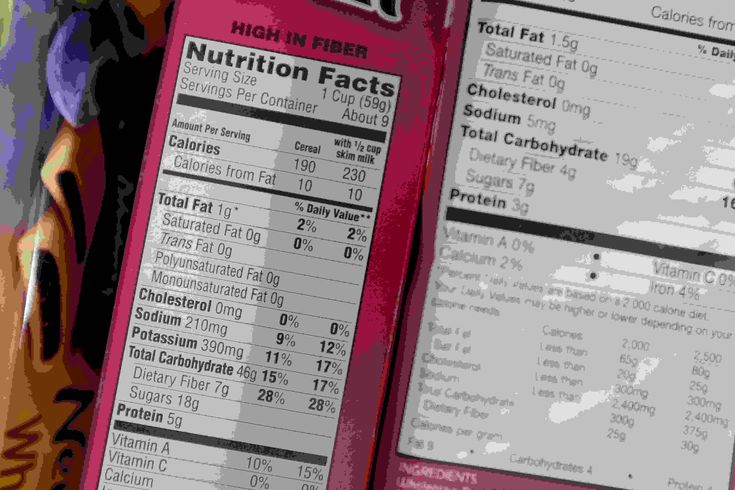
🏷️ Food Label Tips for Beginners.
- Serving size → check how much you’re actually eating
- Calories → higher calories = more energy
- Protein → more is better (fitness-friendly)
- Added sugar → keep low
- Fiber → choose higher fiber
- Saturated/Trans fat → low/avoid
- Sodium (salt) → don’t pick very high
- Ingredients → shorter list = better (avoid sugar/oil fir
Nutrition doesn’t have to be complicated. Start small, stay consistent, and follow these nutrition tips for beginner’s to build healthy habits that actually last.