
Building muscle is not just about lifting heavy weights in the gym. Nutrition plays an equally important role in muscle growth and recovery. One of the most essential nutrients for muscle development is protein.
Protein helps repair damaged muscle fibers after workouts and supports the growth of new muscle tissue. Without enough protein in your diet, even the best workout routine may not give you the results you want.
In this guide, we will explore 20 high-protein foods for muscle gain that can help you build strength, improve recovery, and support overall fitness.
Why Protein Is Important for Muscle Gain
Protein is made up of amino acids, which are the building blocks of muscle tissue. During resistance training or strength training, your muscle fibers experience tiny tears. Protein helps repair these fibers and make them stronger.
Research suggests that people who regularly perform strength training should consume around 1.6–2.2 grams of protein per kilogram of body weight for optimal muscle growth.
High-protein foods also help with:
- Muscle recovery
- Strength improvement
- Better metabolism
- Reduced muscle breakdown
Now let’s look at the best high protein foods for muscle gain that can help you increase your protein intake naturally.
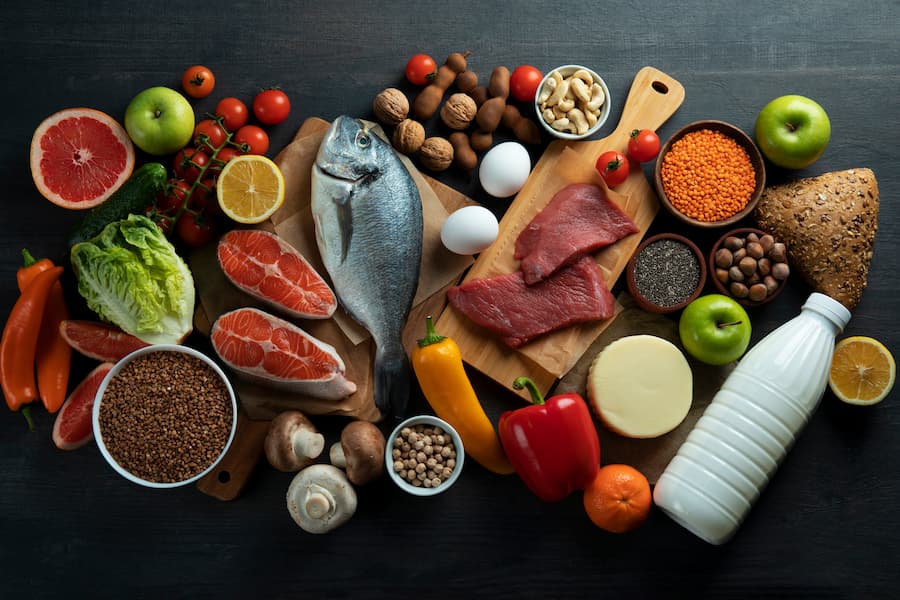
20 High Protein Foods for Muscle Gain
1. Eggs
Eggs are one of the most popular protein foods for muscle gain. They contain high-quality protein and essential amino acids.
Protein content: 6 grams per egg
Eggs also contain vitamins like B12 and healthy fats that support muscle recovery.
Best way to eat:
Boiled eggs, omelette, or scrambled eggs.
2. Chicken Breast
Chicken breast is a staple food for athletes and bodybuilders. It is lean, high in protein, and low in fat.
Protein content: 31 grams per 100 g
It supports muscle growth and helps maintain lean muscle mass.
3. Greek Yogurt
Greek yogurt contains both fast-digesting whey protein and slow-digesting casein protein.
Protein content: 10 grams per 100 g
This makes it an excellent food for muscle recovery.
4. Cottage Cheese (Paneer)
Paneer is a great protein source, especially for vegetarians.
Protein content: 18 grams per 100 g
It contains casein protein, which digests slowly and helps prevent muscle breakdown.
5. Fish
Fish such as salmon and tuna are rich in protein and healthy omega-3 fatty acids.
Protein content: 20–25 grams per 100 g
Omega-3 fatty acids can also support muscle recovery and reduce inflammation.
6.Kidney Beans (Rajma)
Protein: ~24 g per 100 g
Kidney beans are a great plant-based protein source and widely eaten.
Benefits
- Rich in protein and fiber
- Provides steady energy
- Supports muscle recovery
Best way to eat
Rajma curry with rice or roti.
7. Lentils (Dal)
Lentils are an excellent plant-based protein source.
Protein content: 9 grams per 100 g
They are also rich in fiber, iron, and complex carbohydrates.
8. Chickpeas
Chickpeas are another great vegetarian protein food.
Protein content: 19 grams per 100 g
They help support muscle growth and provide long-lasting energy.
9. Tofu
Tofu is made from soybeans and is a popular protein source for vegetarians and vegans.
Protein content: 8 grams per 100 g
It is also rich in calcium and iron.
10. Milk
Milk contains both whey and casein protein.
Protein content: 8 grams per cup
It is also rich in calcium and vitamins that support bone health.
11. Almonds
Almonds provide a combination of protein, healthy fats, and antioxidants.
Protein content: 21 grams per 100 g
They also help maintain energy levels throughout the day.
12. Peanuts
Peanuts are an affordable and convenient protein source.
Protein content: 26 grams per 100 g
They are also rich in healthy fats and calories, which help in muscle gain.
13. Quinoa
Quinoa is a complete plant protein that contains all essential amino acids.
Protein content: 8 grams per cup
It is also rich in magnesium and fiber.
14. Oats
Oats are not extremely high in protein but still contribute to daily protein intake.
Protein content: 13 grams per 100 g
They also provide complex carbohydrates for sustained energy.
15. Pumpkin Seeds
Pumpkin seeds are small but very nutritious.
Protein content: 19 grams per 100 g
They also contain magnesium and healthy fats.
16. Chia Seeds
Chia seeds provide plant protein along with fiber and omega-3 fats.
Protein content: 17 grams per 100 g
They can be easily added to smoothies or yogurt.
17. Protein Smoothies
Protein smoothies made with milk, fruits, and protein powder can help increase protein intake easily.
Protein content: 20–30 grams depending on ingredients
They are ideal after workouts.
18. Whey Protein
Whey protein is one of the most effective supplements for muscle gain.
Protein content: 20–25 grams per scoop
It digests quickly and supports muscle recovery after workouts.
19. Soybeans
Soybeans are one of the highest plant-based protein foods.
Protein content: 50-52 grams per 100 g
They are excellent for vegetarian athletes.
20. Green gram (Moong Dal)
Protein: 24 g per 100 g
Benefits
Rich in protein and fiber
Easy to digest
How Much Protein Do You Need for Muscle Gain?
Your daily protein intake depends on your body weight and activity level.
General recommendation:
- Beginners: 1.6 g protein per kg body weight
- Advanced lifters: 2.0–2.2 g per kg
For example:
If someone weighs 70 kg, they may need around 110–150 grams of protein per day for muscle gain.
Sample High-Protein Meal Plan
Here is a simple daily example:
Breakfast
Oats with milk and almonds
Lunch
Chicken breast or paneer with rice and vegetables
Snack
Greek yogurt with fruit
Dinner
Fish or lentils with whole grains
Post-workout
Protein smoothie or whey protein shake
This type of diet helps maintain a steady protein supply for muscle growth, you can prepare your full-day meal using this example easily.
Common Protein Mistakes That Limit Muscle Growth
1. Inconsistent Daily Protein Intake
Many people consume a lot of protein on some days and very little on others. Muscle protein synthesis works best when protein intake is consistent every day, not just on workout days.
Maintaining a steady protein intake helps the body stay in an anabolic (muscle-building) state.
2. Consuming Protein Only After Workouts
Post-workout protein is important, but total daily protein intake matters more.
Spreading protein across 3–5 meals throughout the day improves muscle protein synthesis and recovery.
3. Focusing Only on Protein but Ignoring Total Calories
Protein alone cannot build muscle if total calorie intake is too low.
Muscle growth requires a calorie surplus, along with adequate protein and resistance training + weight training.
4. Relying Too Much on Protein Supplements
Supplements like Whey Protein can be convenient, but they should not replace whole foods.
Whole foods provide:
- vitamins
- minerals
- healthy fats
- fiber
These nutrients support overall health and recovery.
5. Ignoring Protein Quality
Not all protein sources contain the same amino acid profile.
High-quality proteins provide all essential amino acids, especially Leucine, which plays a key role in stimulating muscle protein synthesis.
6. Not Adjusting Protein Intake with Training Intensity
Protein requirements increase with:
- higher training volume
- intense strength training
- calorie deficits (fat-loss phases)
Athletes and lifters may require 1.6–2.2 g of protein per kg of body weight.
Final Thoughts
Protein is one of the most important nutrients for building muscle and improving recovery. Including a variety of high protein foods for muscle gain in your diet can help you achieve better fitness results.
Foods like eggs, chicken, lentils, paneer, fish, and nuts provide high-quality protein and essential nutrients that support muscle growth.
Combine these foods with a proper workout routine, adequate sleep, and consistent nutrition to maximize your muscle-building progress.
FAQ
What food is highest in protein for muscle gain?
Foods like chicken breast, eggs, and soybeans are among the highest protein foods.
Can vegetarians build muscle with high-protein foods?
Yes. Foods like lentils, tofu, paneer, quinoa, and chickpeas provide plenty of protein for muscle growth.
Is whey protein necessary for muscle gain?
No. Whey protein is convenient but not necessary if you meet your protein needs through whole foods.
How can I gain weight and build muscle at the same time?
To gain weight and muscle, focus on a calorie surplus diet combined with strength training. Eating enough protein, healthy fats, and carbohydrates while following a consistent workout routine can help increase muscle mass and body weight.
If you want a complete guide, check our detailed article on how to gain weight healthy.