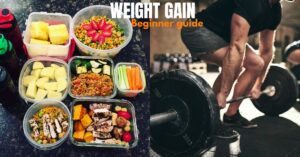

1.The Beginner’s Guide to Fitness : Where to Start
What Fitness really mean’s? Fitness isn’t about being ripped or running marathons. It’s about:
- Having energy for daily life
- Being strong enough to move without pain
- Keeping your heart healthy
- Feeling good in your body
Why fitness important for beginner’s?
Fitness is important for beginners because it helps build a strong foundation for long-term health and daily energy. Regular physical activity improves stamina, strength, and flexibility while supporting heart health and better metabolism. For beginners, fitness also boosts confidence, reduces stress, and improves sleep, making it easier to stay consistent with healthy habits. Most importantly, starting fitness early helps prevent lifestyle-related problems and teaches beginners how to move their bodies safely and effectively, setting them up for a healthier and more active life.
Here’s a simple, The Beginner’s Guide to Fitness which you can follow without overthinking
- Fitness is a long-term habit, not a 30-day challenge
- Consistency > intensity
- Progress will be slow at first — that’s normal
- You don’t need motivation every day, just a plan
Types of exercises for beginner’s
1. Strength Training
Helps build muscle, strength, and metabolism. Bodyweight exercises like squats, push-ups, and lunges are perfect for beginner’s
2. Cardio Training
Improves heart health and stamina. Walking, skipping rope, cycling, or jogging are beginner-friendly cardio options.
3. Flexibility and Stretching
Improves movement and reduces stiffness. Stretching helps prevent injuries and improves recovery.
Importance of Warm-up and Cool down
Warm-up prepares the body for exercise by increasing blood flow and loosening muscles. It reduces injury risk and improves performance. Cooling down helps relax muscles and supports recovery after workouts.
Common fitness mistakes beginner’s make
- Skipping warm-ups
- Overtraining
- Expecting fast results
- Ignoring rest days
- Comparing progress with others
Avoiding these mistakes helps beginners stay consistent and injury-free.
2.Habits to Practice as a Fitness Beginner
1. Start Small and Stay Consistent
Don’t go all-in on day one. Short, regular workouts beat intense, inconsistent ones.
2. Schedule Your Workouts
Treat workouts like appointments. Put them on your calendar so they actually happen.
3. Learn Proper Form
Focus on technique before weight or speed. Good form prevents injuries and builds confidence
Beginner Friendly workout routine- GET UP AND GO!
Aim for 30–45 minutes/day, 5–6 days a week.
1. WARM UP (5-7min)
- Arm circles
- Jumping jacks
- High knees
- Hip rotations
- Neck rolls

2. Full-Body Workout (20–25 min)
Do 3 rounds
Rest 30–45 sec between exercises.
- Squats – 15 reps
- Push-ups (knee or wall if needed) – 10–12
- Lunges – 10 each leg
- Plank – 30–45 sec
- Glute bridges – 15
- Mountain climbers – 20
If this feels easy, increase reps or add another round.
3. Cardio (10–15 min)
Choose one:
- Brisk walking
- Jogging
- Cycling
- Skipping rope
- Dancing
4.Cool Down & Stretch (5 min)
- Hamstrings
- Quads
- Back stretch
- Shoulder stretch
- Deep breathing
🔹 Weekly Structure
- Mon–Fri: Workout
- Sat: Light activity (walk, yoga, sports)
- Sun: Rest
🔹 Fitness Rules That Actually Work
- Consistency > intensity
- Sleep 7–8 hour
- Drink 2–3L water/day
- Move every hour if you sit a lot
- Don’t skip warm-up or stretching
To learn more about workout plan, read our complete guide Gym vs Home workout plan for beginner’s.
3.Basic nutrition Habits for Fitness Beginners
1. Focus on Whole Foods First
Build meals around lean protein, vegetables, fruits, whole grains, and healthy fats. You don’t need a perfect diet — just better basics.
2. Eat Enough Protein
Protein helps with muscle recovery and keeps you full. Aim to include a protein source at every meal (eggs, chicken, fish, yogurt, beans).
3. Stay Hydrated
Drink water throughout the day, not just during workouts. Dehydration can affect energy, performance, and recovery.
4. Don’t Skip Meals
Skipping meals often leads to low energy and overeating later. Consistent meals support workouts and recovery.
5. Don’t Fear Carbs
Carbs fuel your workouts. Choose complex carbs like rice, oats, potatoes, fruits, and whole grains.
6. Keep It Simple
You don’t need fancy superfoods or strict meal plans. Simple, repeatable meals work best for beginners.
7. Practice Portion Awareness
Eat until you’re satisfied, not stuffed. Use hunger cues instead of counting every calorie at the start.
8. Prioritize Recovery Nutrition
Eat a balanced meal within a couple of hours after training — protein + carbs helps recovery.
9. Limit (Don’t Eliminate) Junk Food
Enjoy treats in moderation. A sustainable diet beats an extreme one.
10. Be Consistent, Not Perfect
Progress comes from habits you can maintain. Missed meals or off days happen — just get back on track.
Follow balanced nutrition daily – Good nutrition means combining carbohydrates, protein, and healthy fats in the right proportion for steady energy.
4. Best fitness tips for beginner’s
- Start slow, don’t rush
Don’t try heavy workouts from day 1. Focus on basic movements and build gradually.
- Be consistent (most important)
3–4 days per week is enough. Consistency matters more than intensity, The beginner’s guide to fitness and every other fitness or diet article/guide will work and help you achieve your fitness goals when you are consistent in your journey.
- Focus on proper form
Wrong form = injuries + no results. Learn correct technique first.
- Follow a simple diet
You don’t need fancy diets. Just:
- More protein
- Home food (but structured)
- Stay hydrated
- Get enough rest
Muscles grow during rest, not during workout.
Sleep 6–8 hours daily.
If you’re training regularly, sleep + food > supplements. Master the basics before worrying about protein powders or pre-workouts.
Here are some basic myth’s about fitness, which you should know before embarking on your fitness journey
Myth 1: “No pain, no gain”
Truth:
Pain is not required for progress. Mild soreness is normal, but pain means injury risk. Consistency and recovery build results not suffering.
Myth 2: You need a gym to get fit.
Truth: Bodyweight workouts, walking, resistance bands, and home routines can be incredibly effective
Myth 3: Sweating means you’re burning fat.
Truth: Sweat is about temperature regulation, not fat loss. You can burn fat without dripping sweat
Myth 4: If you’re not sore, It didn’t work.
Truth: Soreness isn’t a reliable measure of a good workout. Progress comes from consistency and gradual overload.
“Beginner Fitness FAQs”
1. What is the best way to start fitness as a beginner?
Start simple. Focus on basic exercises like walking, push-ups, and bodyweight squats. Don’t try to do everything at once build consistency first.
2. How many days a week should a beginner work out?
Beginners should start with 3–4 days per week. This gives your body enough time to recover while building a routine.
3. Can I start fitness at home without going to the gym?
Yes, absolutely. You can begin with home workouts like bodyweight exercises, yoga, or skipping. A gym is helpful but not necessary in the beginning.
4. How long should a beginner workout session be?
A good beginner workout should last 30–45 minutes. Focus on quality rather than duration.
5. What should beginners eat to support fitness?
Beginners should eat a balanced diet with:
- Protein (eggs, dal, chicken)
- Carbs (rice, roti, fruits)
- Healthy fats (nuts, seeds)
Avoid extreme dieting.
6. How long does it take to see results in fitness?
Most beginners start noticing changes in 3–4 weeks, but visible transformation may take 8–12 weeks with consistency.
7. What are the most common mistakes beginners make in fitness?
- Doing too much too soon
- Skipping warm-up
- Not following a proper diet
- Expecting fast results
8. Should beginners do cardio or weight training first?
Start with a mix of both. You can do light cardio for warm-up and then focus on strength training.
9. Is rest important for beginners in fitness?
Yes, rest is crucial. Your muscles grow and recover during rest, not during workouts. Aim for at least 1–2 rest days per week.
10. How can I stay consistent with my fitness routine?
Set realistic goals, follow a simple plan, and focus on discipline over motivation. Consistency matters more than perfection.
If you want more tips on fitness, check out our detailed guide on 👉 fitness tips for beginner’s
Fitness doesn’t start with perfection—it starts with showing up. This beginner’s guide to fitness is all about taking small, consistent steps toward a healthier body.